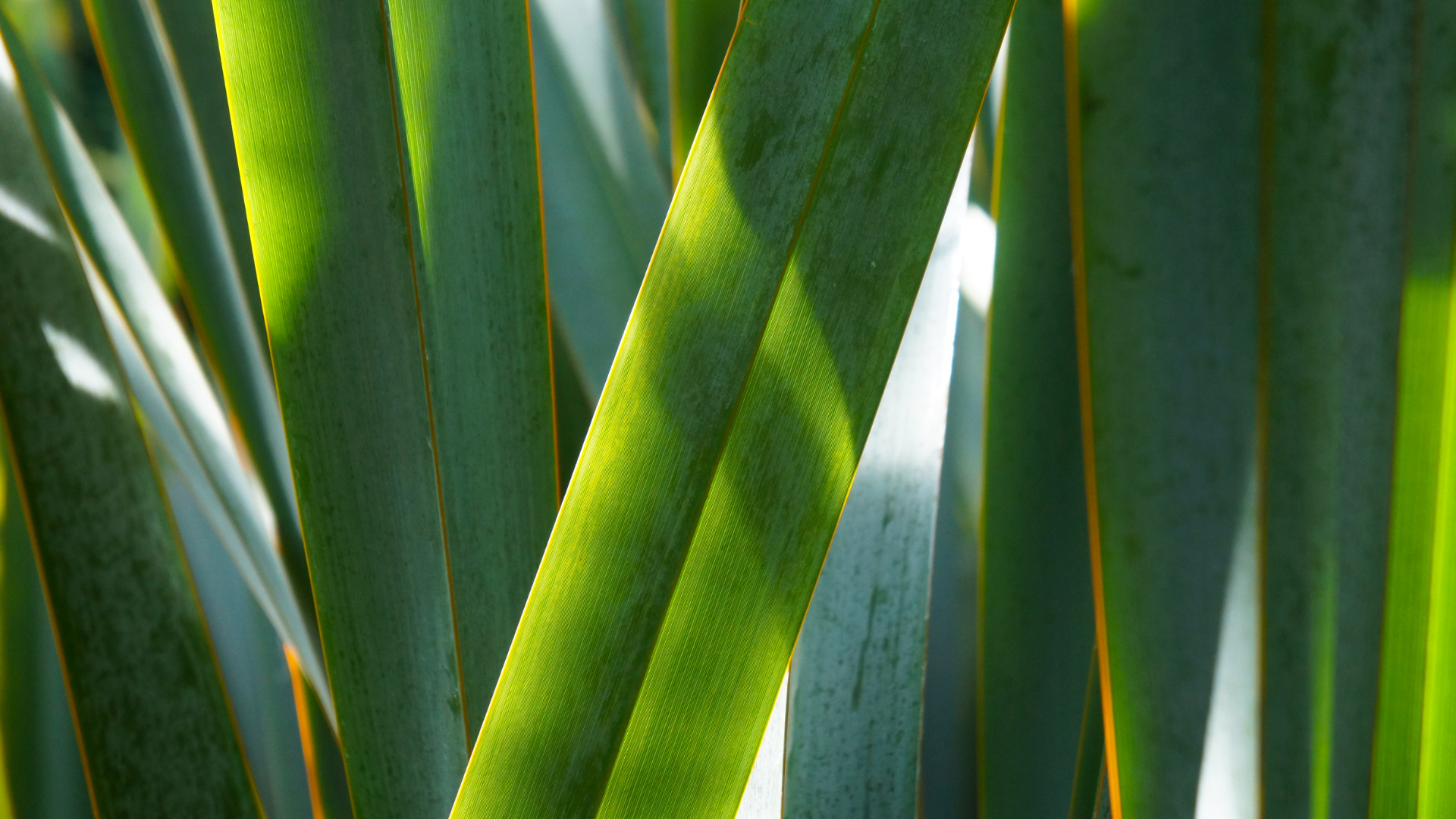
Design Your Future with Harakeke
For generations, harakeke has sustained life in Aotearoa.
Today, it anchors a wider movement —
the restoration of a natural fibre economy grounded in mātauranga Māori and built for the future.
Who This Movement Is For
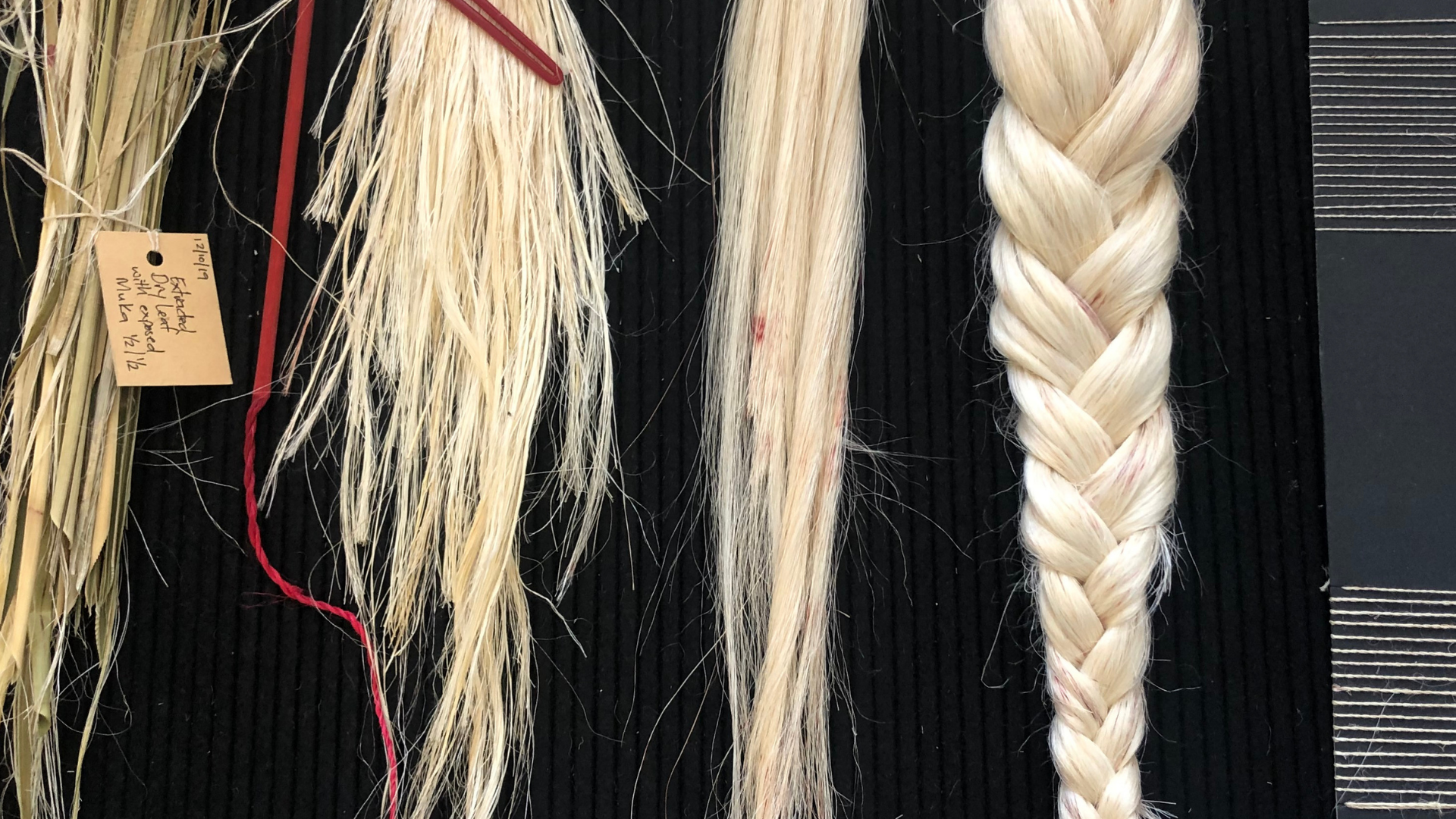
For generations, harakeke has supported communities through weaving, fibre production, clothing, rope, shelter, medicine, and the transmission of cultural knowledge.
Harakeke represents a living relationship between people, whenua, and mātauranga — and today it offers an opportunity to restore a natural fibre economy in Aotearoa, grounded in ancestral knowledge and future-focused innovation.
This vision is informed by generations of knowledge holders and supported by ongoing research into harakeke and natural fibre systems in Aotearoa.
Restoring the harakeke industry is not the work of one person, one whānau, or one organisation — it is shaped by many hands, communities, and areas of expertise, working toward the shared advancement of all New Zealanders.
Iwi and Hapū
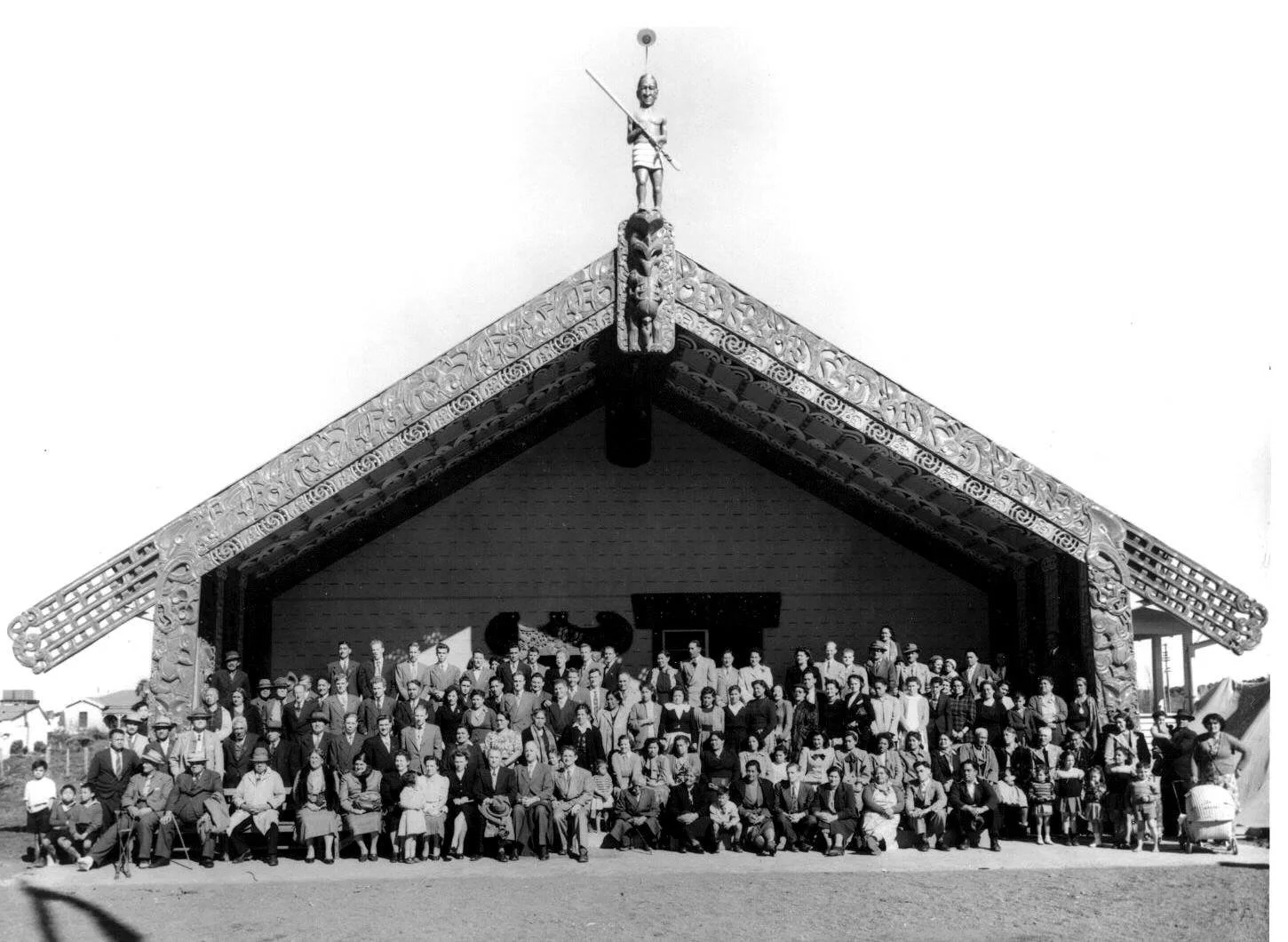
Harakeke has always been connected to whenua and whakapapa. Iwi and hapū leadership will shape how the industry grows in ways that respect cultural knowledge, land stewardship, and community wellbeing.Researchers and Innovators
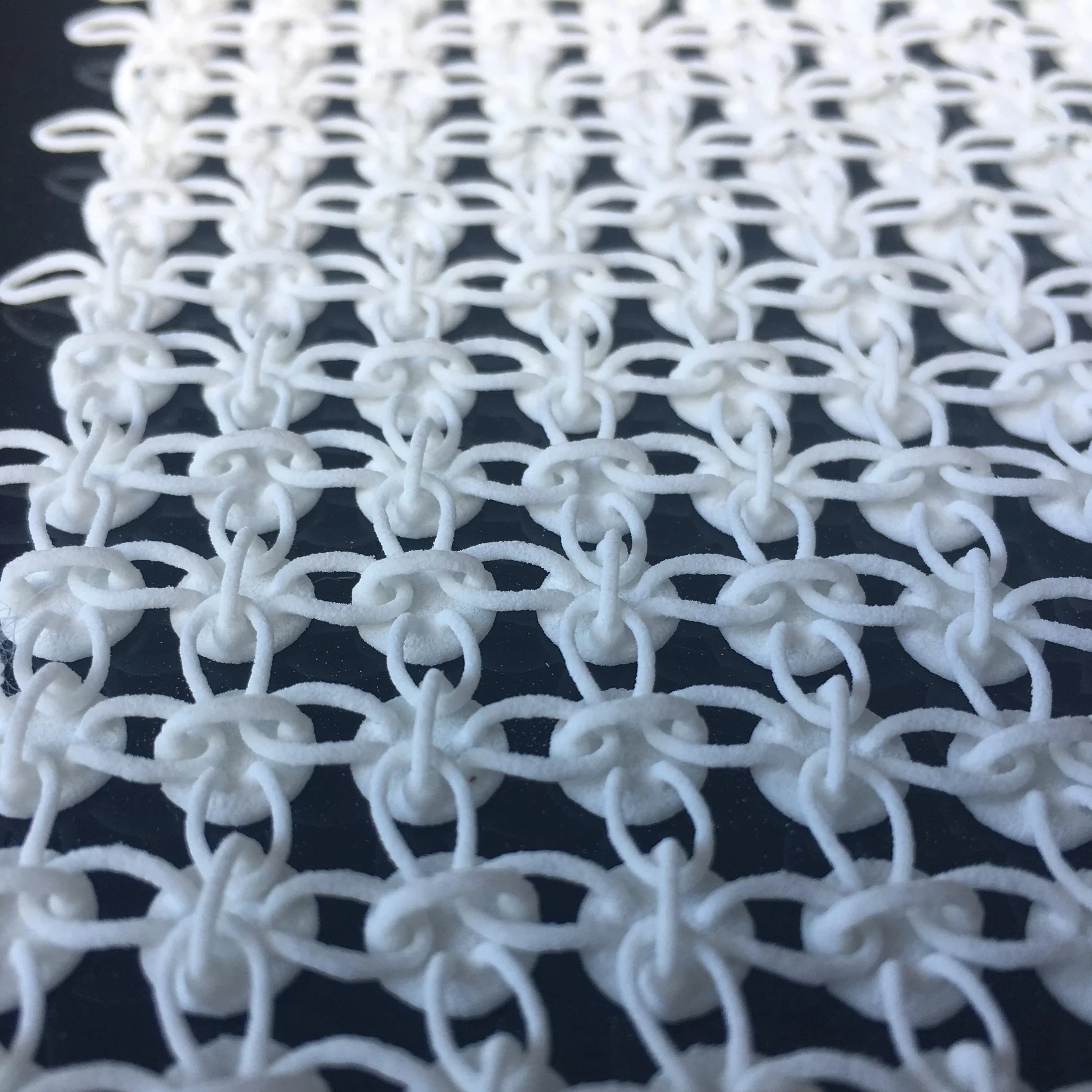
There is enormous potential for research around harakeke fibre, sustainable materials, regenerative agriculture, and climate resilience.
Existing research from organisations such as Manaaki Whenua – Landcare Research continues to expand understanding of harakeke within environmental systems and future material applications.
Designers and Creators

Harakeke fibre continues to inspire artists, weavers, designers, and craftspeople. Creative practice is central to the identity and evolution of the industry, supported by knowledge of fibre properties and applications documented by contributors such as René Orchiston.RANGATAHI
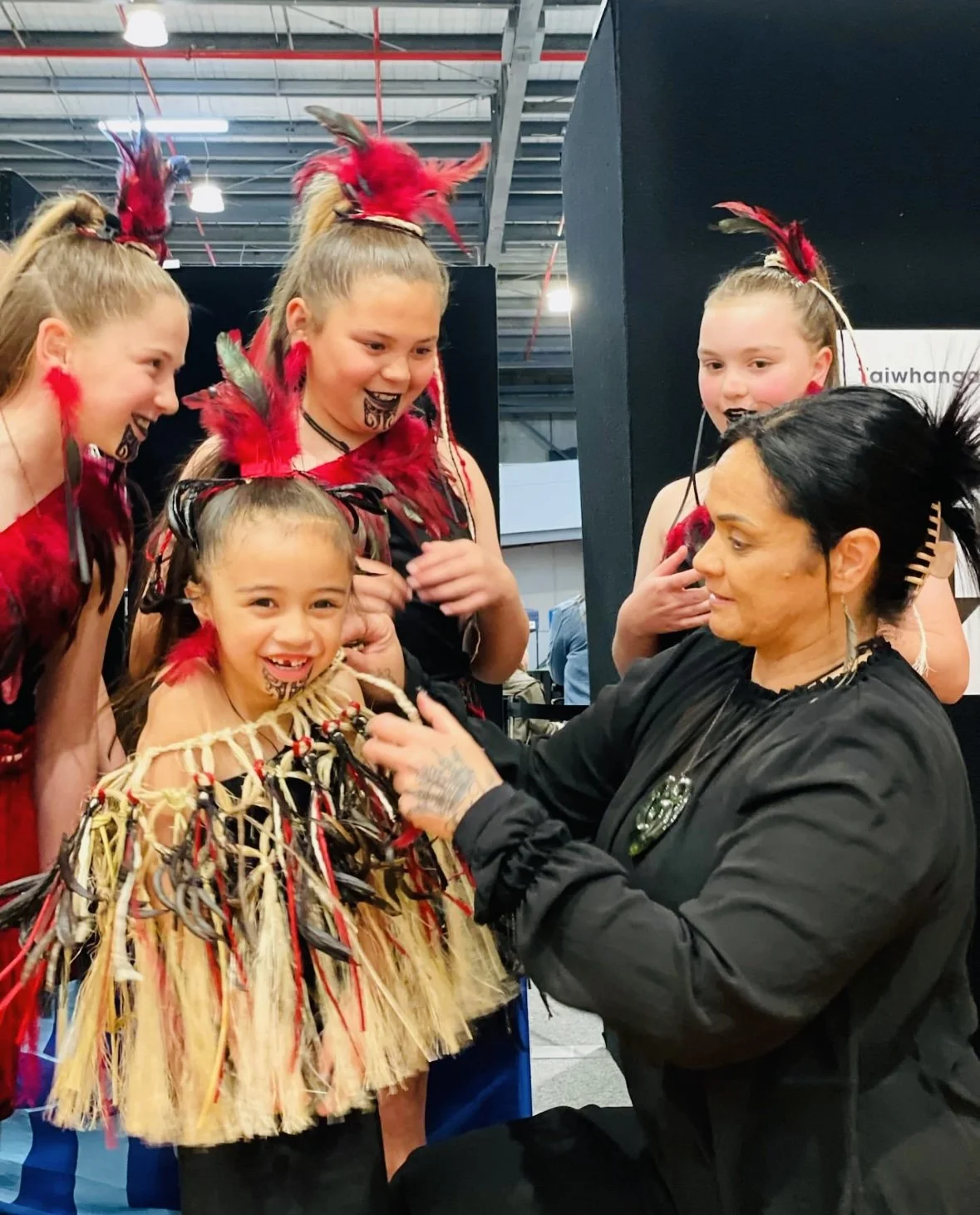
The next generation will shape what the harakeke industry becomes. Through programmes like Te KĀURU, rangatahi learn enterprise, creativity, and cultural knowledge — ensuring the wisdom of the past continues into the future.Communities and Growers
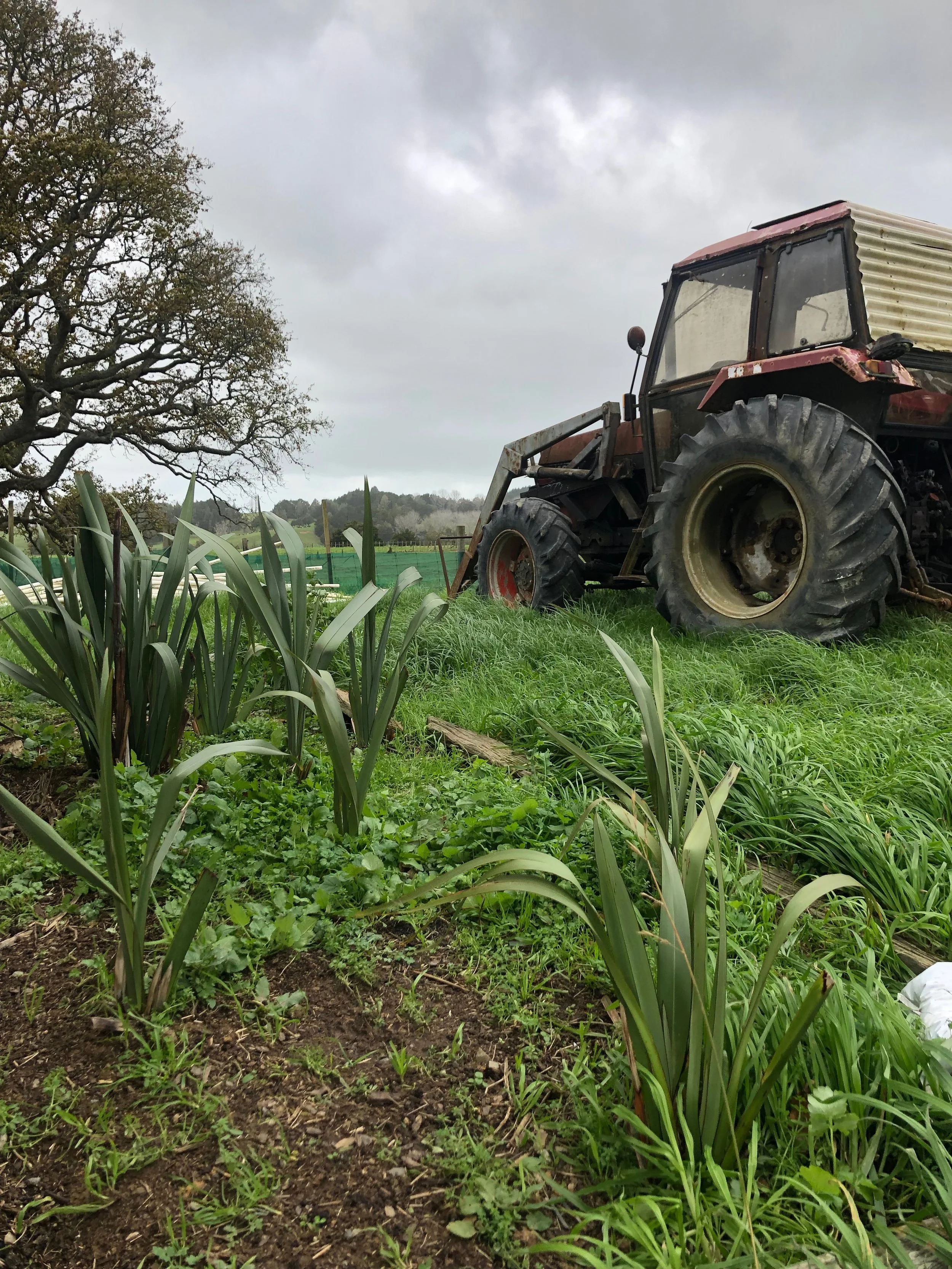
Planting and caring for harakeke supports land restoration, biodiversity, and community connection. Communities and growers play a vital role in cultivating harakeke across Aotearoa.Government and Policy Leaders

Restoring a national fibre industry requires long-term thinking and coordination. Government and policy leaders can support research, education, land restoration, and economic development linked to harakeke.
A Shared Opportunity
The restoration of the harakeke industry extends beyond economic development.
It reconnects knowledge, whenua, community, and innovation — honouring the past while building for the future.
This work is informed by generations of knowledge holders and supported by ongoing research, lived experience, and the continued sharing of mātauranga across communities.
Harakeke has supported generations before us. Together, we can explore what it may support for generations to come.