
KNOWLEDGE & RESEARCH
The regeneration of the harakeke industry is grounded in a continuum of knowledge — held, shared, and developed across generations.
This work does not exist in isolation. It is supported by mātauranga Māori, historical archives, scientific research, and contemporary contributions from individuals and organisations working within the harakeke space.
We acknowledge and honour these knowledge holders whose work allows us to learn from the past and build for the future.
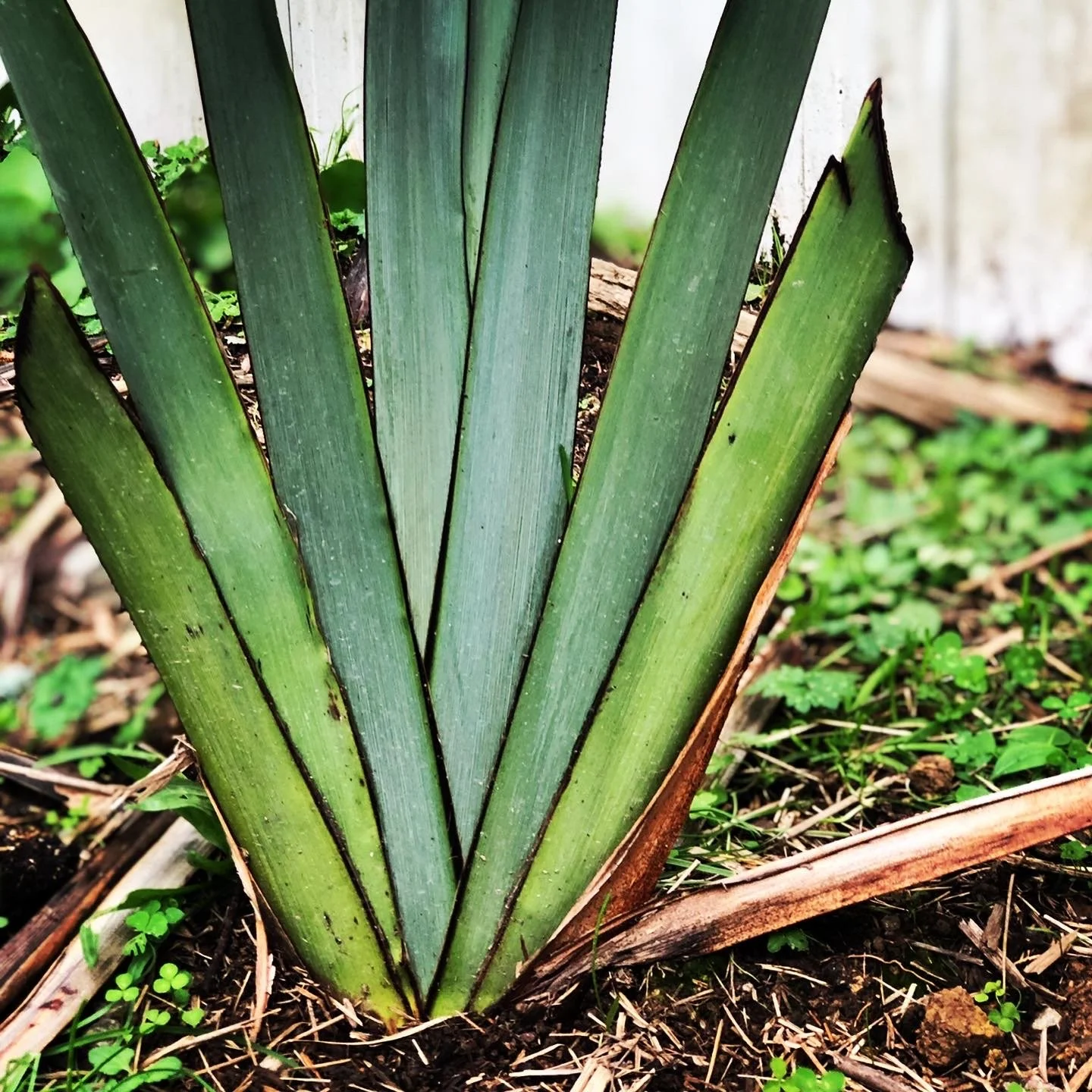
Mātauranga & Cultural Knowledge
Harakeke holds deep cultural significance within te ao Māori, with knowledge passed down through generations of weavers, practitioners, and whānau.
This knowledge forms the foundation of how harakeke is understood, respected, and used — guiding both traditional practice and future innovation.
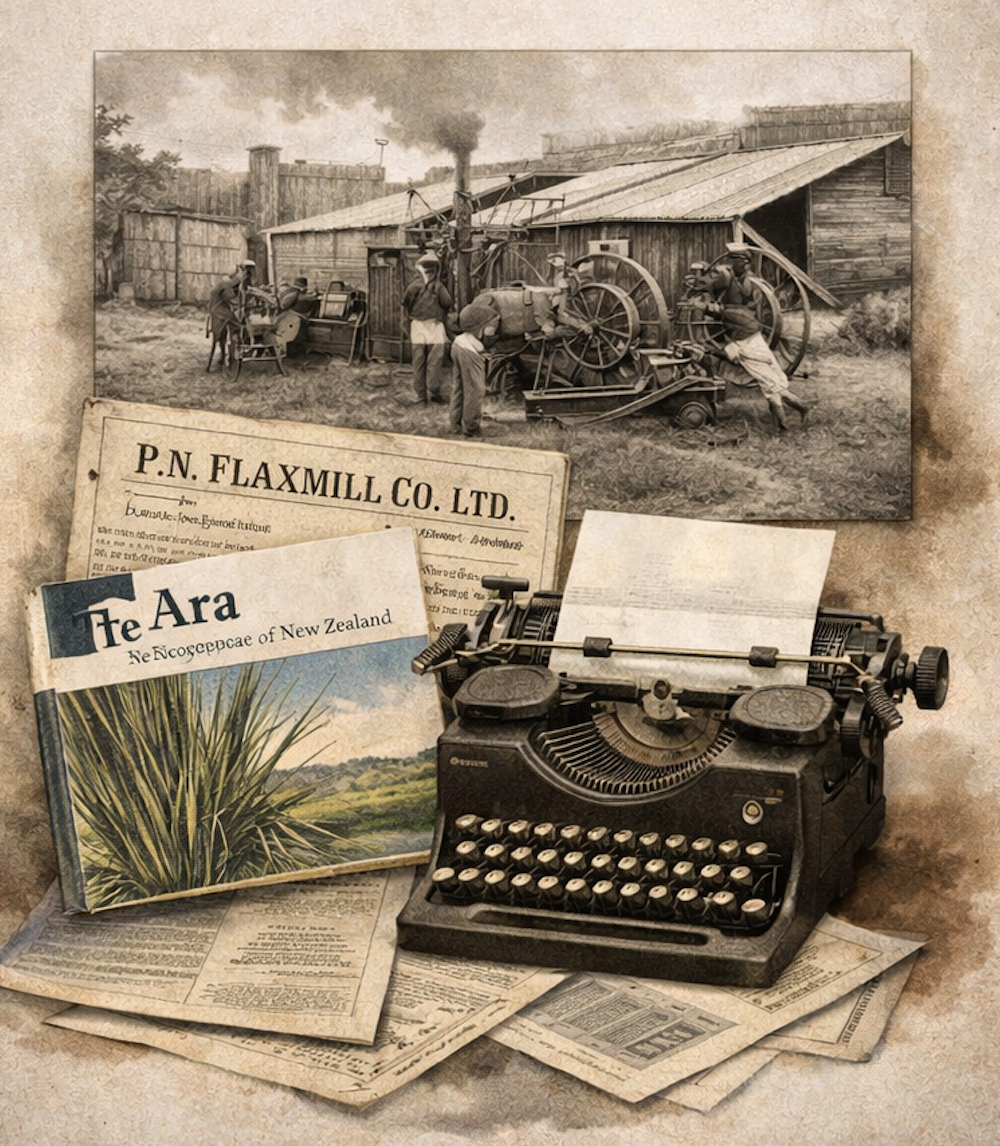
Historical Archives & Industry Records
The history of the harakeke industry in Aotearoa has been preserved through archives and documented research.
Platforms such as Te Ara – The Encyclopedia of New Zealand provide insight into the cultural and economic role of harakeke, while collections like Manawatū Heritage document the development of flax milling and regional industry.
Further records of industrial processes and historical context are available extensively online.

Scientific & Environmental Research
Understanding harakeke within environmental systems is supported by scientific research and ecological study.
Organisations such as Manaaki Whenua – Landcare Research contribute to knowledge around land use, biodiversity, and sustainable practices.
Botanical and species-level knowledge is also supported by the New Zealand Plant Conservation Network.
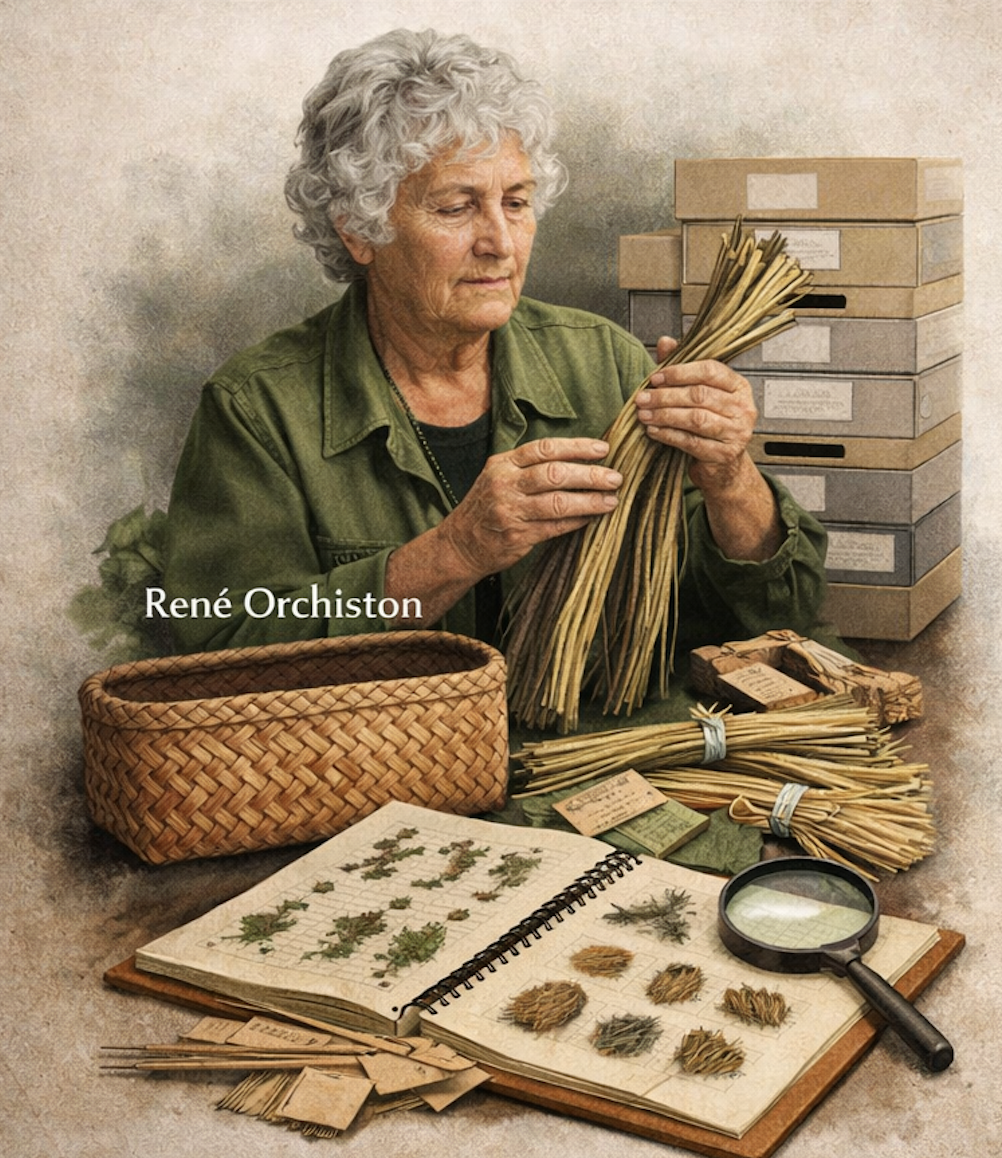
Contemporary Contributors
Ongoing contributions from researchers and practitioners continue to expand understanding of harakeke in modern contexts.
Work by individuals such as René Orchiston provides valuable insight into harakeke collection types, fibre properties, and applications in weaving and design.
These contributions bridge traditional knowledge with contemporary practice.
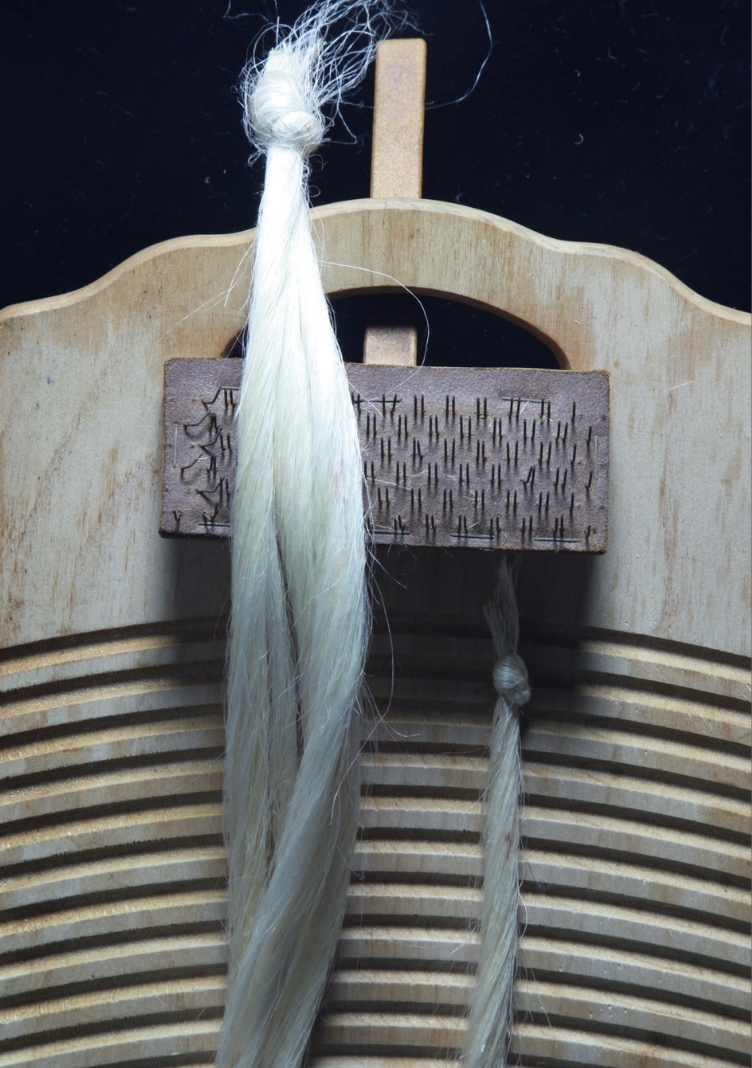
Original Research & Thesis
This platform is also informed by original research developed through my academic work, exploring harakeke as a cultural material, fibre innovation, and future industry in Aotearoa.
My thesis contributes to the growing body of knowledge that repositions harakeke within both design and economic systems, forming part of the foundation for Te KĀURU.
→ View Thesis
The restoration of the harakeke industry is made possible through the collective knowledge of many.
We acknowledge those who have preserved, protected, and shared this knowledge — and recognise our role in carrying it forward.