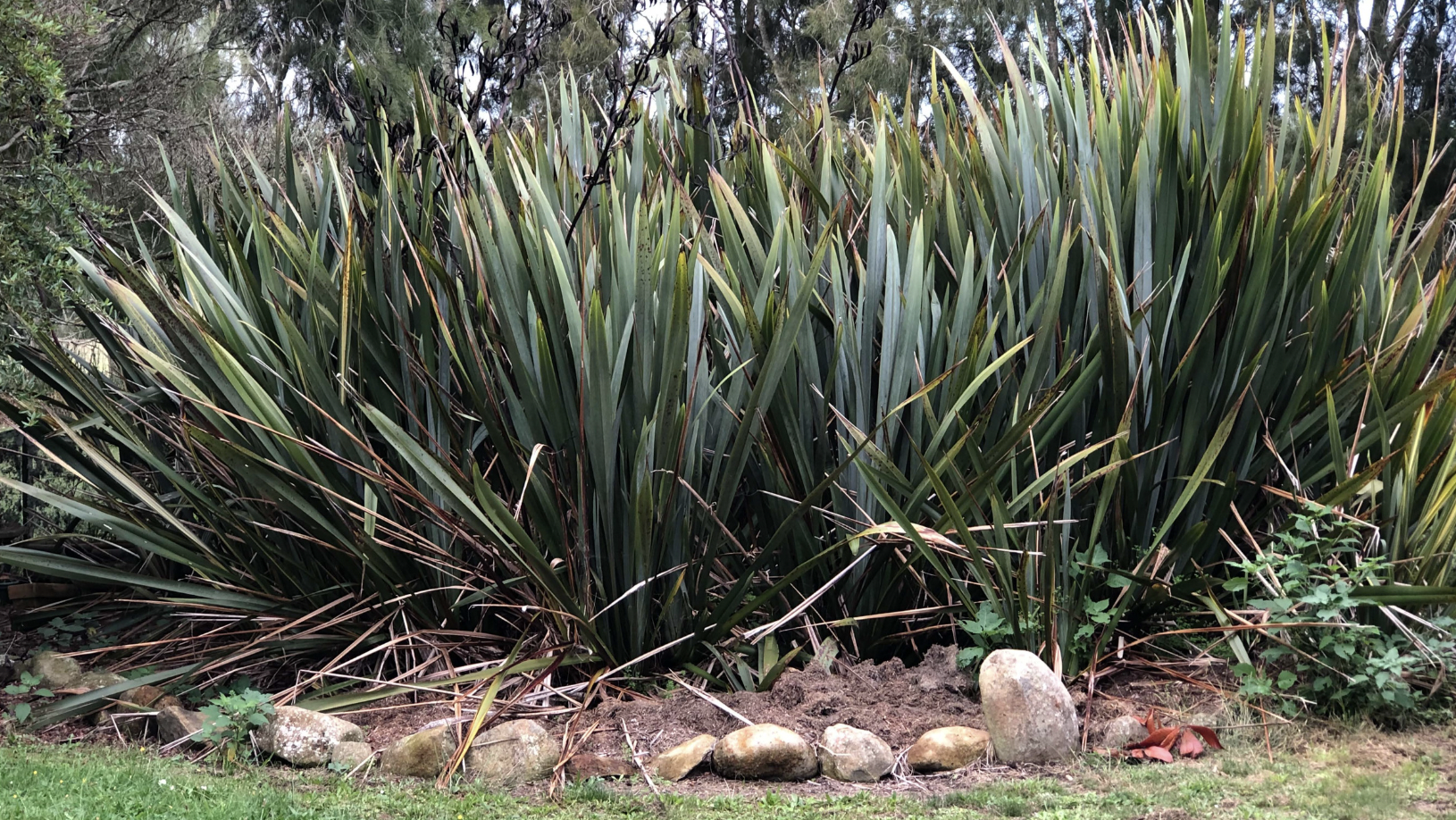
Why Harakeke, Why Now?
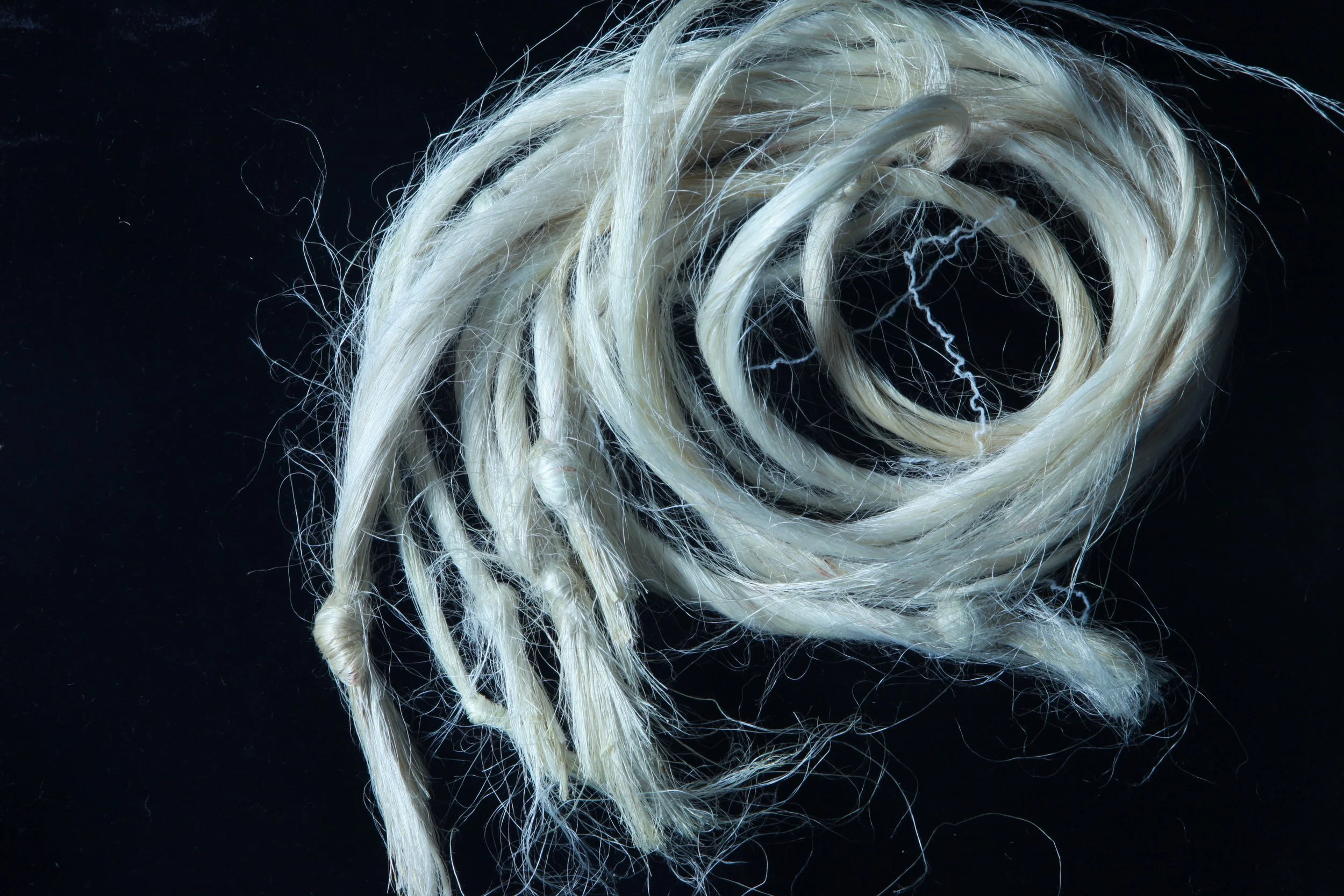
A Plant with Proven Strength
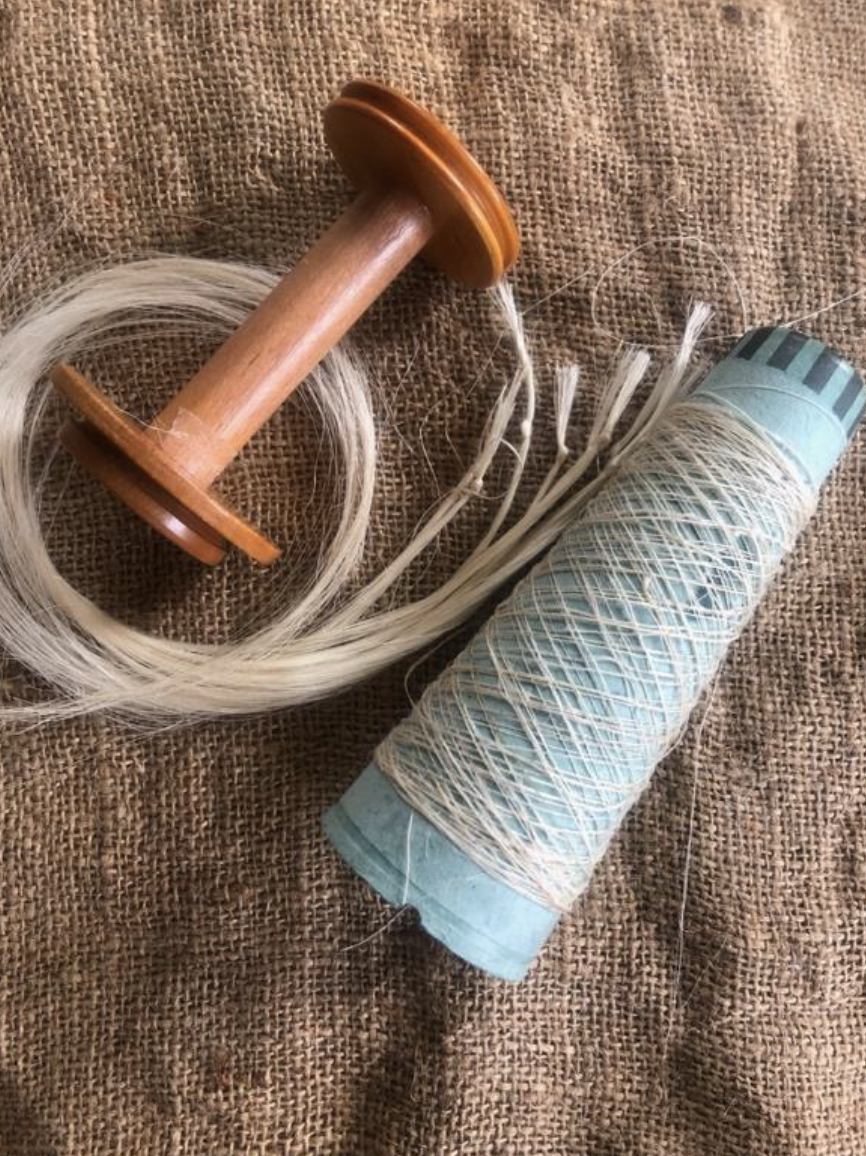
Harakeke fibre, known as muka, has long been valued for its strength, durability, and versatility.
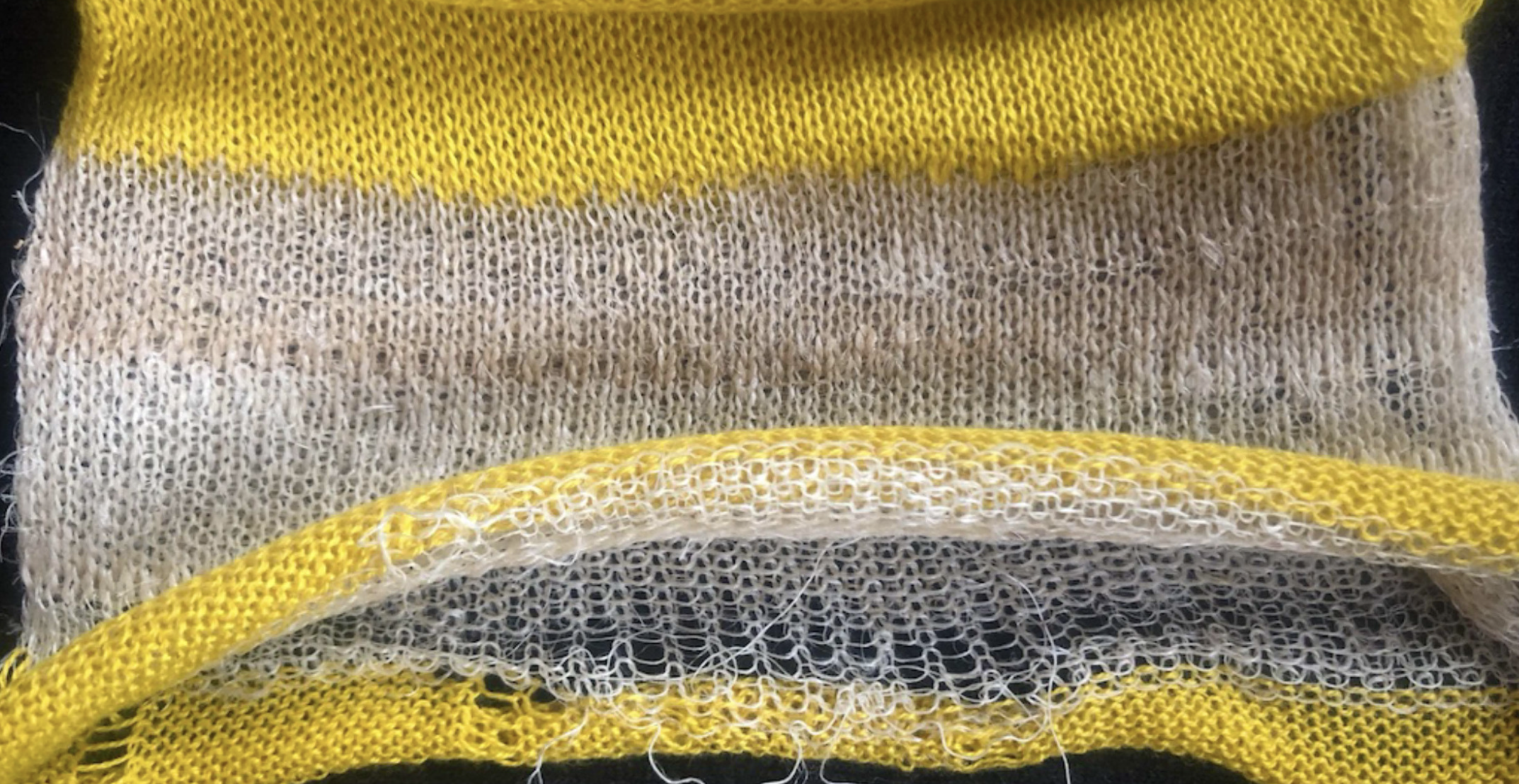
Historically, it was used to make clothing, rope, fishing lines, baskets, and essential tools — applications that demonstrated its remarkable properties long before synthetic fibres existed.
As global industries revisit natural fibres, harakeke offers a material already rooted in the knowledge systems of Aotearoa, ready for modern innovation.
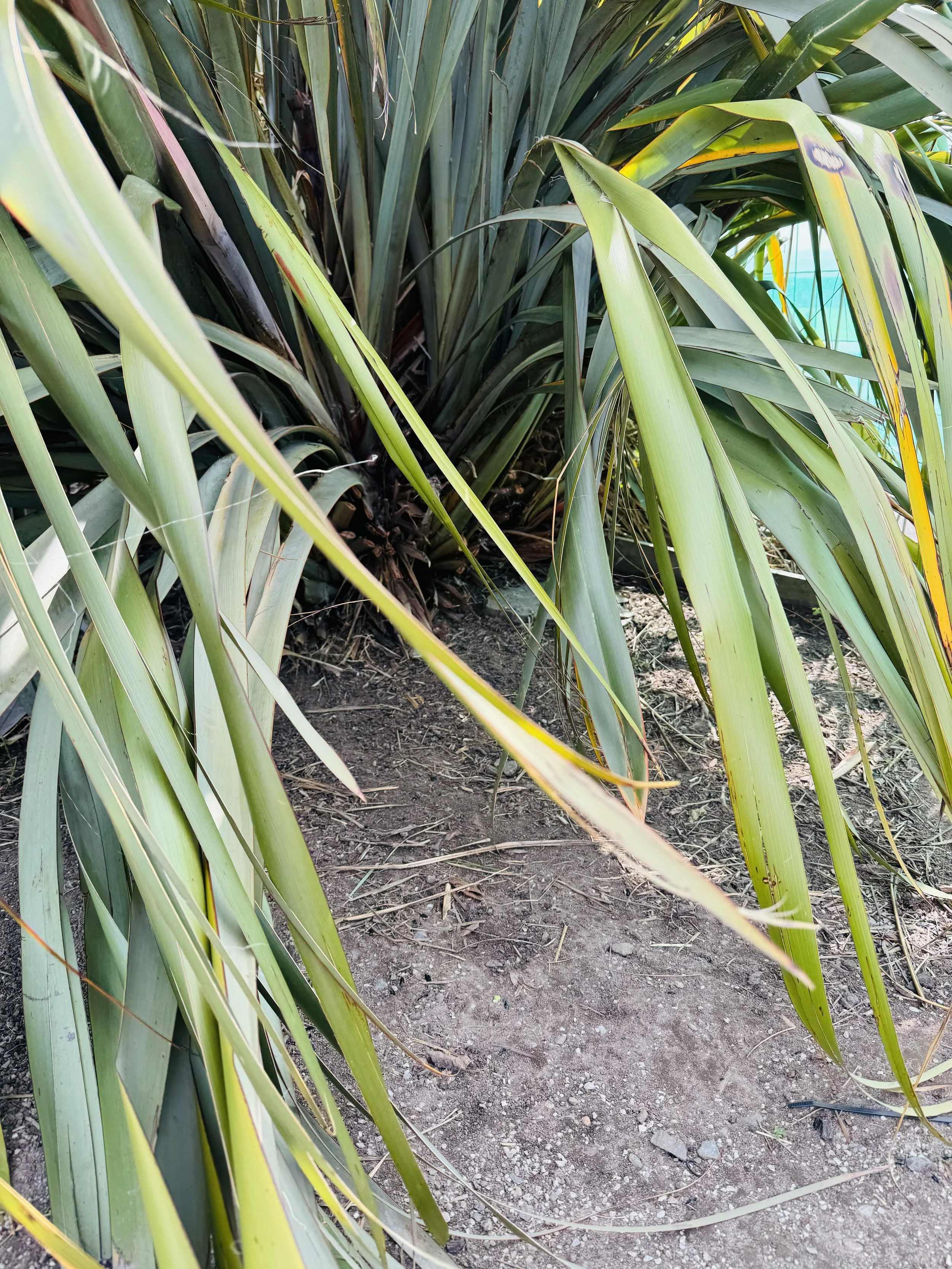
A Regenerative Opportunity
Harakeke is often recognised globally as a versatile fibre crop, and in some regions, it has even been classified as an invasive species following its introduction beyond Aotearoa.
Within te ao Māori, however, harakeke is a taonga — deeply embedded in cultural practice, identity, and intergenerational knowledge systems.
Alongside its cultural significance, harakeke is increasingly recognised for its environmental value. It is a resilient, adaptable plant that:
Supports biodiversity
Helps stabilise soil and protect landscapes
Thrives in environments where other crops may struggle
Contributes to land restoration and flood resilience
As global systems shift toward aligning economic development with environmental regeneration, harakeke presents a unique opportunity — a fibre industry grounded not only in innovation, but in restoration, resilience, and whakapapa.
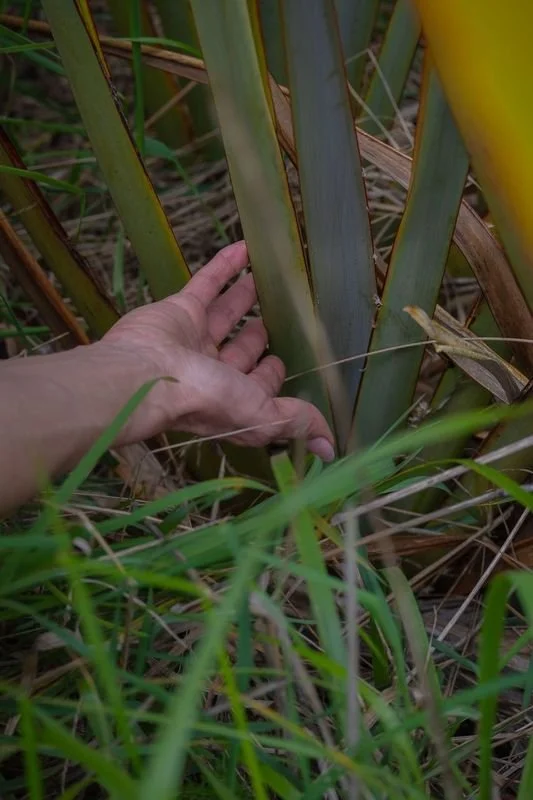
A Knowledge System Already Exists
Unlike many emerging materials, the harakeke industry does not begin from zero.
For generations, Māori practitioners have developed deep expertise in:
Harvesting practices
Fibre preparation
Weaving techniques
Cultural frameworks that guide respectful engagement
This body of knowledge provides a strong and enduring foundation for future innovation and enterprise. It helps ensure that our national taonga is not exploited, that kaitiakitanga is upheld through sustainable practices, and that new developments are applied with integrity.
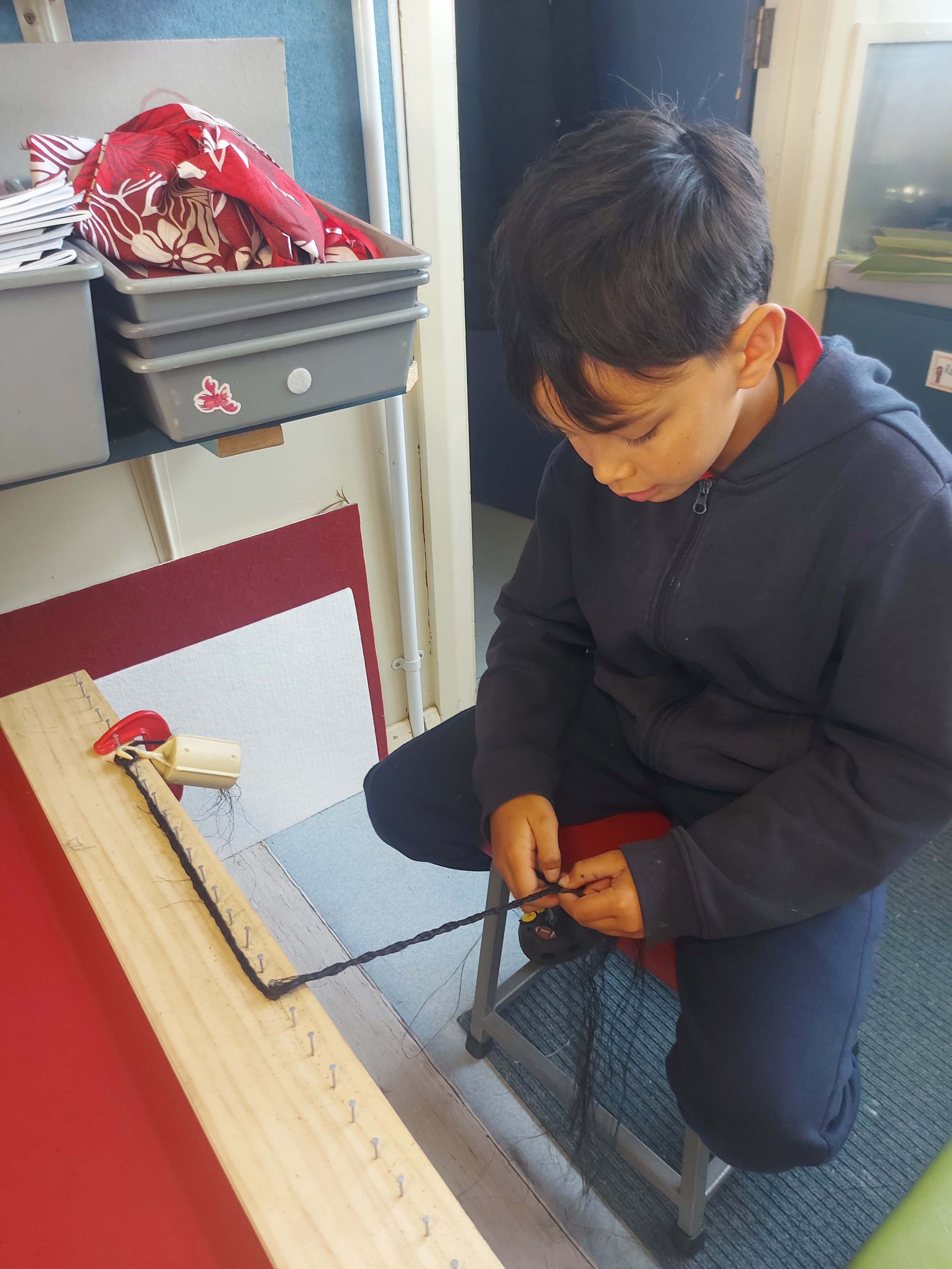
A Future for Rangatahi
Restoring the harakeke industry creates pathways for the next generation.
Through programmes like Te Kāuru, rangatahi explore enterprise, creativity, and cultural knowledge while shaping the development of a regenerative fibre economy.
Investing in rangatahi ensures knowledge is preserved, expanded, and innovated upon, building both cultural and economic resilience.
A Moment of Possibility
Governments and industries around the world are reconsidering how materials are produced and sourced.
For Aotearoa, harakeke represents a rare convergence of:
Cultural knowledge
Environmental restoration
Economic and design potential
Restoring the harakeke industry invites us to honour the wisdom of the past while creating a regenerative future.
The question is not whether harakeke has value. The question is what we choose to build from it.
THE HARAKEKE INDUSTRY IN AOTEAROA
A FIBRE WITH PURPOSE
Harakeke (Phormium tenax) has supported communities in Aotearoa for generations through weaving, fibre production, and cultural knowledge.
Today, as the world searches for regenerative materials, climate-resilient crops, and sustainable industries, harakeke presents an opportunity to rebuild a thriving industry rooted in mātauranga Māori while contributing to the future economy of Aotearoa.
From Foundation to Future
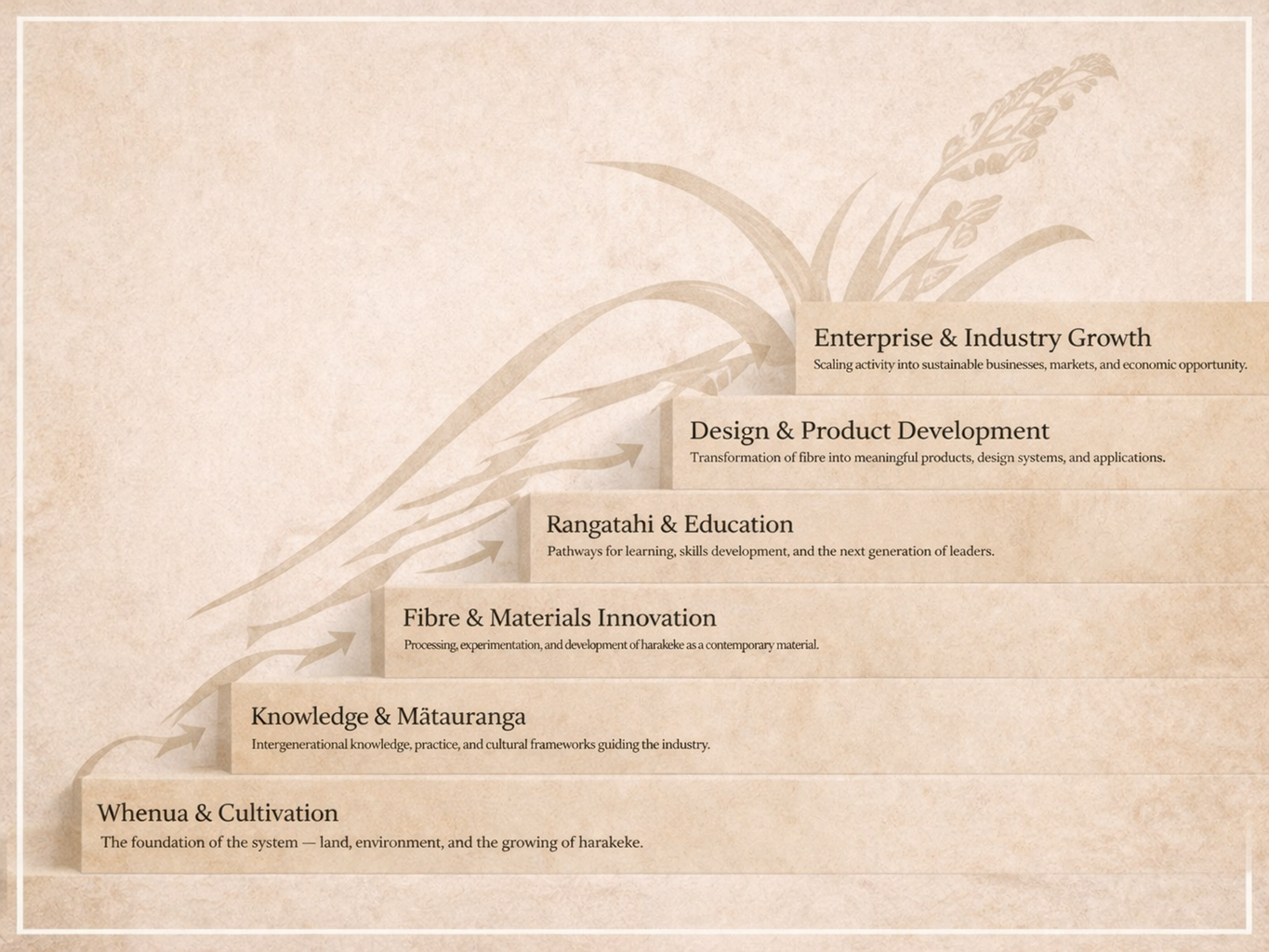
Each step builds on the last — growing a regenerative harakeke system for Aotearoa.
Guided by governance and strategy, the system progresses through interconnected pou — from whenua and knowledge, through innovation and people, into design, enterprise, and industry growth.

Ngā Pou o te Harakeke Economy
The Te Kāuru Harakeke Industry Framework is built on six interconnected pou that support the regeneration of a thriving harakeke ecosystem.
These pou form a strong and balanced system — each one essential, each one connected.
The pathway through them reflects the poutama pattern, where growth happens step by step, building knowledge over time.
Like the poutama, each pou contributes to the pursuit of mātauranga — grounded in whakapapa and strengthened through shared understanding.
Together, they connect knowledge, cultivation, innovation, rangatahi, enterprise, and governance into a living system — where strengthening one strengthens the whole.
Through culture, enterprise, and rangatahi leadership, Te Kāuru programmes create opportunities for young people to grow while remaining anchored in cultural knowledge and community.
Whenua & Cultivation
The foundation of the system — land, environment, and the growing of harakeke.
Knowledge & Mātauranga
Intergenerational knowledge, practice, and cultural frameworks guiding the industry.
Fibre & Materials Innovation
Processing, experimentation, and development of harakeke as a contemporary material.
Rangatahi & Education
Pathways for learning, skills development, and the next generation of leaders.
Design & Product Development
Transformation of fibre into meaningful products, design systems, and applications.
Enterprise & Industry Growth
Scaling activity into sustainable businesses, markets, and economic opportunity.
A REGENERATIVE FUTURE
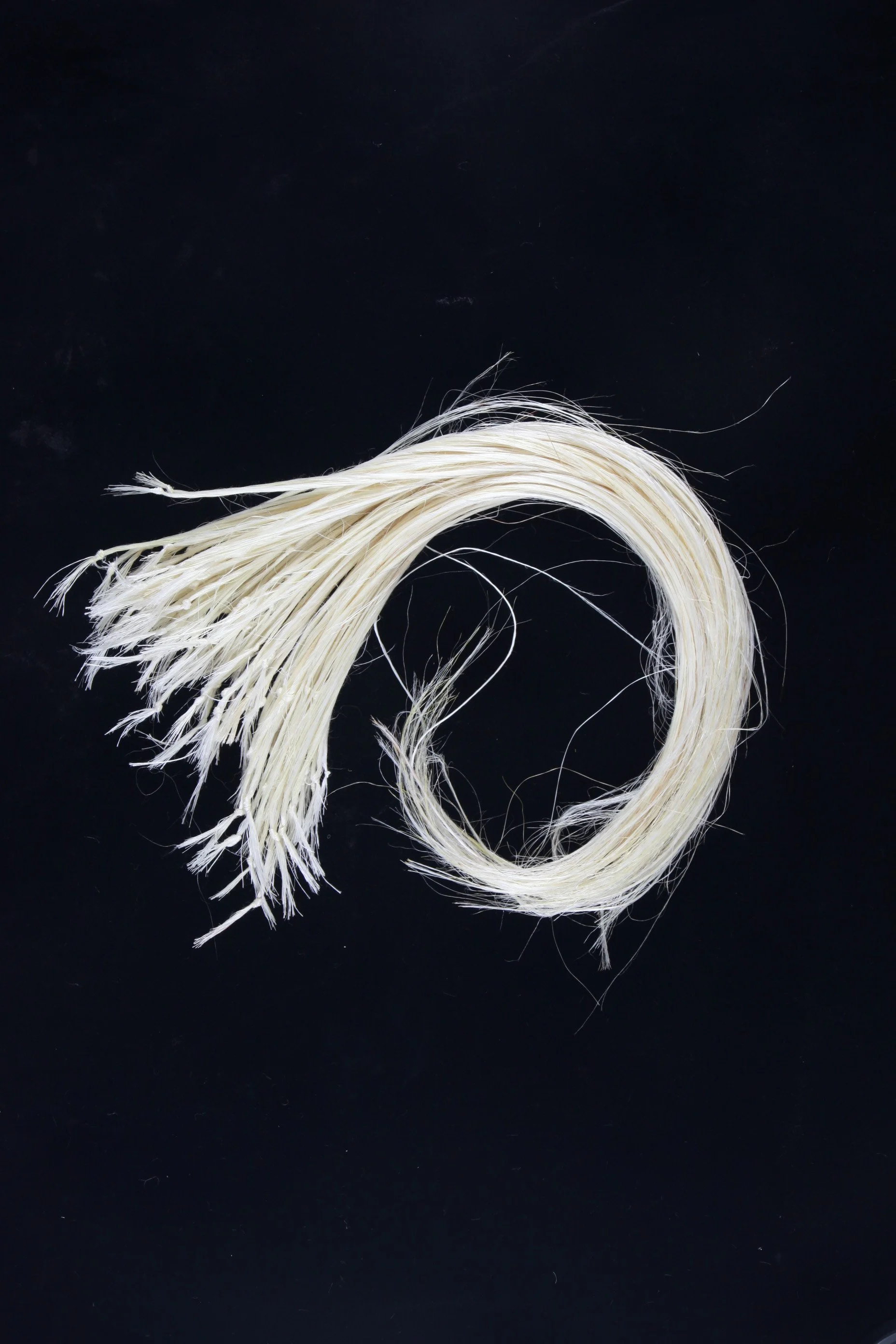
Harakeke is a living system connecting land, knowledge, culture, innovation, and community.
By strengthening each of these six Pou, Aotearoa can restore a regenerative industry that honours the past while creating possibilities for the future.
This framework is an invitation for collaboration, learning, and collective action. The knowledge foundations informing this framework can also be explored through the Harakeke Knowledge Archive at KimberleyMaaka.com.